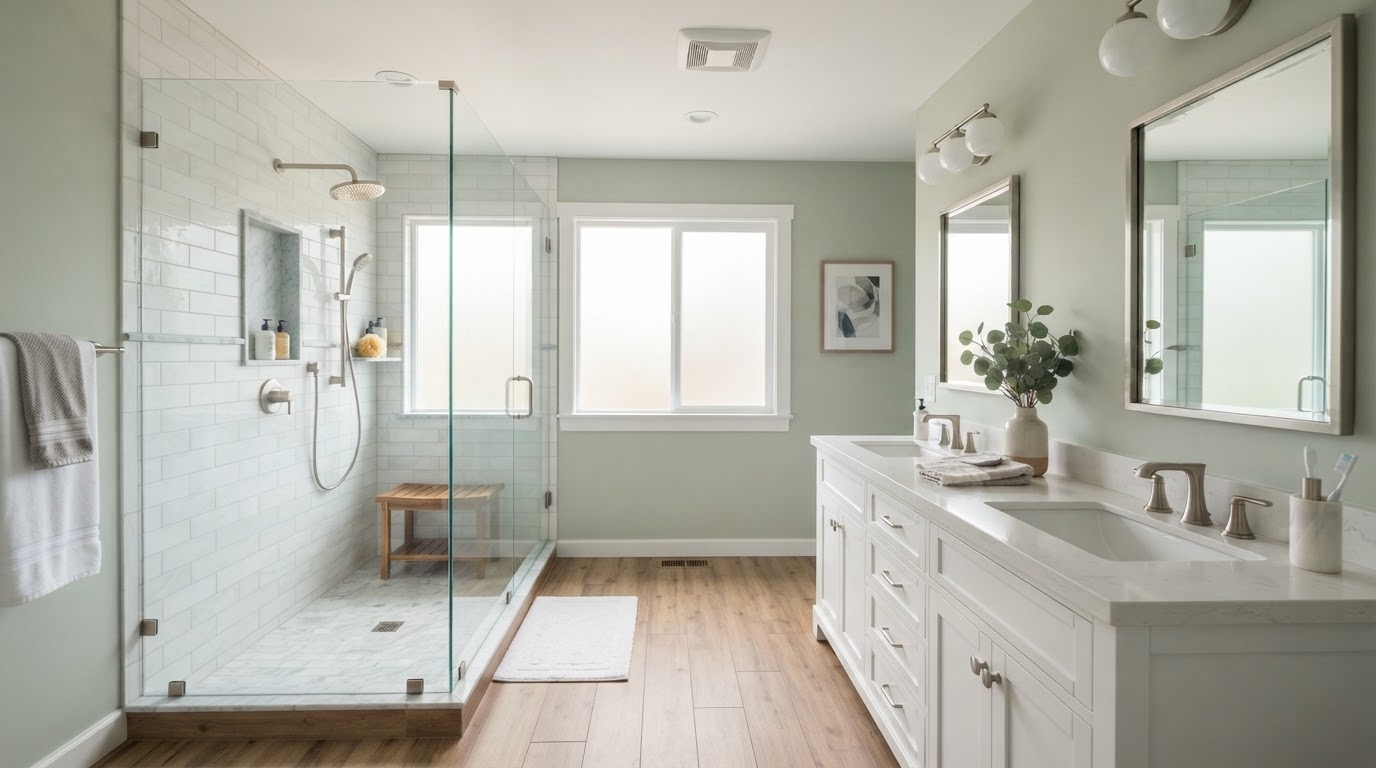
Planning a bathroom remodel in the Raleigh-Durham area means navigating one of the most dynamic housing markets in the Southeast. Rapid population growth across Wake County has driven strong demand for skilled trades, while the Triangle’s diverse housing stock—from historic bungalows in Oakwood to sprawling 1990s suburban homes in Cary and North Raleigh—creates wide variations in project requirements.
In 2026, a bathroom remodel in Raleigh typically costs between $11,500 and $36,000, with most mid-range renovations landing near $21,000. Minor cosmetic updates can start around $7,000, while expansive primary suite renovations featuring custom walk-in tile showers and freestanding soaking tubs frequently range from $38,000 to $65,000+. Total investment depends on room dimensions, plumbing relocations, finish specifications, and whether your home sits on a crawlspace or a concrete slab.
Before requesting contractor quotes, establishing a clear scope of work protects your budget and ensures you compare bids on an equal footing.
What Should You Budget for a Raleigh Bathroom Remodel?
Setting a realistic budget requires understanding how remodeling costs scale across different levels of investment in the Triangle market.
What Do Local Planning Ranges Look Like by Project Scope?
Bathroom projects generally fall into three tiers based on whether fixtures are replaced in their existing locations or the space is gutted and reconfigured down to the wall studs:
Remodel Scope | Typical 2026 Raleigh Cost | Estimated Timeline | Scope Details |
|---|---|---|---|
Cosmetic Refresh | $7,000 – $13,500 | 1 – 2 weeks | Prefab vanity, faucet, toilet, fresh paint, modern vanity lighting, hardware (layout untouched) |
Mid-Range Renovation | $16,000 – $34,000 | 3 – 5 weeks | Full demolition, tub/shower tile surround, new vanity/quartz top, porcelain floor tile, plumbing fixtures |
Primary / Master Suite | $38,000 – $68,000+ | 6 – 9 weeks | Custom curbless walk-in shower, freestanding soaking tub, double vanity, heated tile, relocated lines |
How Do Bathroom Size and Cost per Square Foot Affect the Budget?
On average, bathroom remodeling in the Raleigh area costs between $140 and $320 per square foot for standard materials and professional installation, reaching $380 to $600+ per square foot for high-end primary suites with premium stone and custom glass.
While square footage provides a rough baseline, it can be misleading when applied to small bathrooms. A compact 35-square-foot powder room requires the same licensed master plumber and electrician inspections as a larger hall bath, resulting in a much higher cost per square foot even though the overall project total is lower.
Which Costs Are Common in a Full Bathroom Remodel?
In a typical mid-range Raleigh bathroom remodel, your budget breaks down across several core categories:
Labor and Trade Installation (45% – 60%): Licensed plumbing, electrical rough-ins, drywall, tile installation, and painting.
Wet Area Materials & Fixtures (20% – 30%): Shower pan or tub, tile, waterproofing systems (such as Schluter-Kerdi), valves, shower trim, and glass doors.
Cabinetry & Surfaces (12% – 18%): Vanity, countertop, sink basins, mirrors, and hardware.
Permitting & Waste Disposal (3% – 6%): Wake County or City of Raleigh trade permits, dumpsters, and site protection.
Which Project Choices Drive Remodeling Costs in the Triangle?
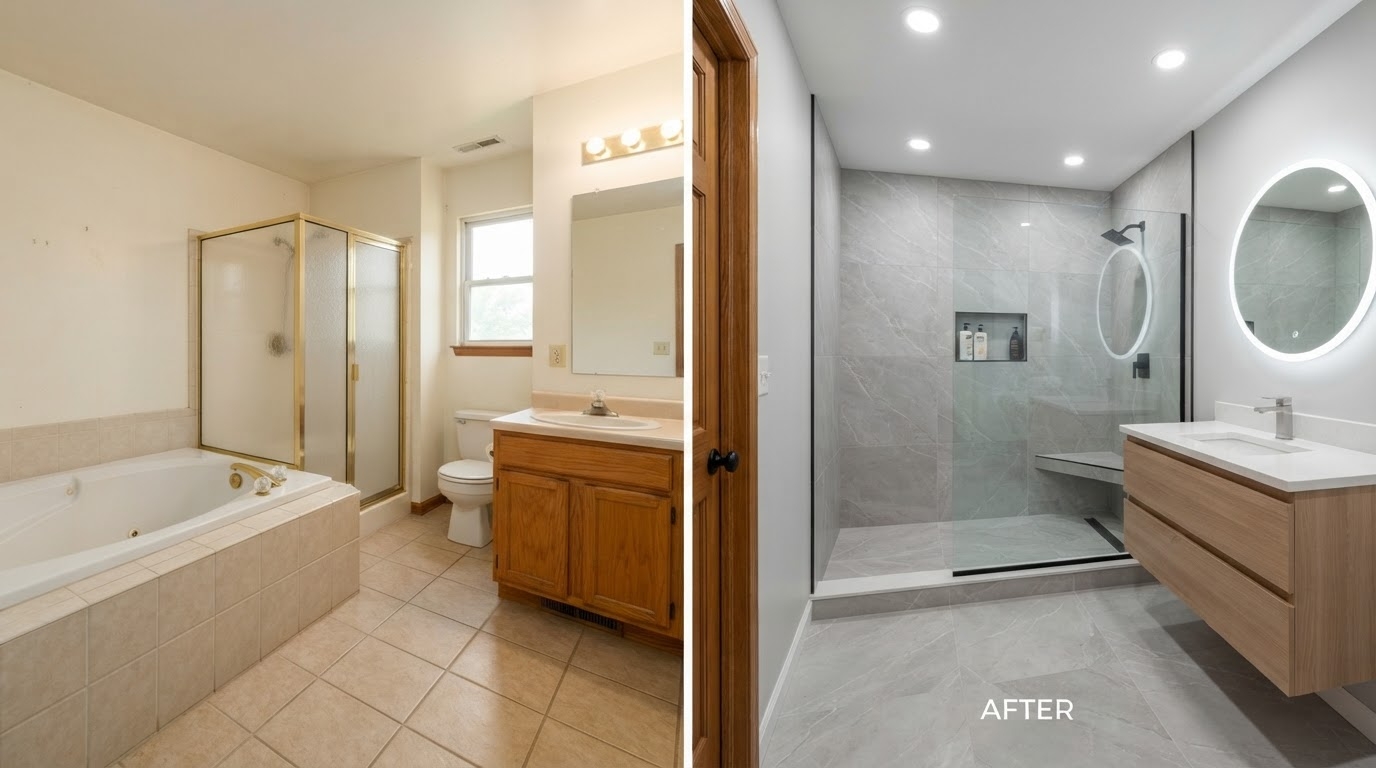
Local building styles and regional infrastructure heavily influence what contractors charge for bathroom renovations across Wake and Durham counties.
How Do Small and Master Bathrooms Compare?
A secondary or guest hall bathroom remodel ($14,000 to $25,000) focuses on durability and low-maintenance materials like porcelain tile and prefabricated quartz vanities.
In contrast, a primary master suite remodel ($38,000 to $65,000+) often includes luxury features: dual vanities, dedicated makeup stations, heated flooring, private water closets, and frameless glass shower enclosures that require custom templating.
What Do Bathtub, Shower, and Tub-to-Shower Projects Involve?
Across suburban Raleigh communities like Cary, Apex, and Holly Springs, many homes built in the 1980s and 1990s feature oversized, unused garden tubs alongside cramped fiberglass shower stalls.
One of the most requested renovations in the Triangle is tearing out the garden tub and small shower to build an expansive, curbless walk-in tile shower. A custom tub-to-shower conversion in Raleigh typically costs $9,000 to $18,500, depending on whether shower drain lines must be enlarged from 1.5 inches to code-mandated 2 inches.
How Crawlspaces, Slabs, and Polybutylene Plumbing Affect Your Budget
Two structural factors unique to Central North Carolina can significantly impact your remodeling bottom line:
Crawlspace vs. Concrete Slab: Homes built over ventilated or sealed crawlspaces (common in older Raleigh neighborhoods and many suburban subdivisions) allow plumbers to access supply and waste lines from beneath the subfloor. Relocating a toilet or drain over a crawlspace usually costs $800 to $1,800, whereas cutting and trenching through a concrete slab in a slab-on-grade home costs $2,500 to $4,500+.
Polybutylene Piping Risk: Homes constructed in Wake County between 1978 and 1995 frequently have gray polybutylene ("PB") water supply piping. If your bathroom has polybutylene lines, licensed plumbers will strongly recommend re-piping the wet wall to modern PEX while the walls are open to prevent future catastrophic joint failures.
How Can You Check Local Requirements and Compare Bids?
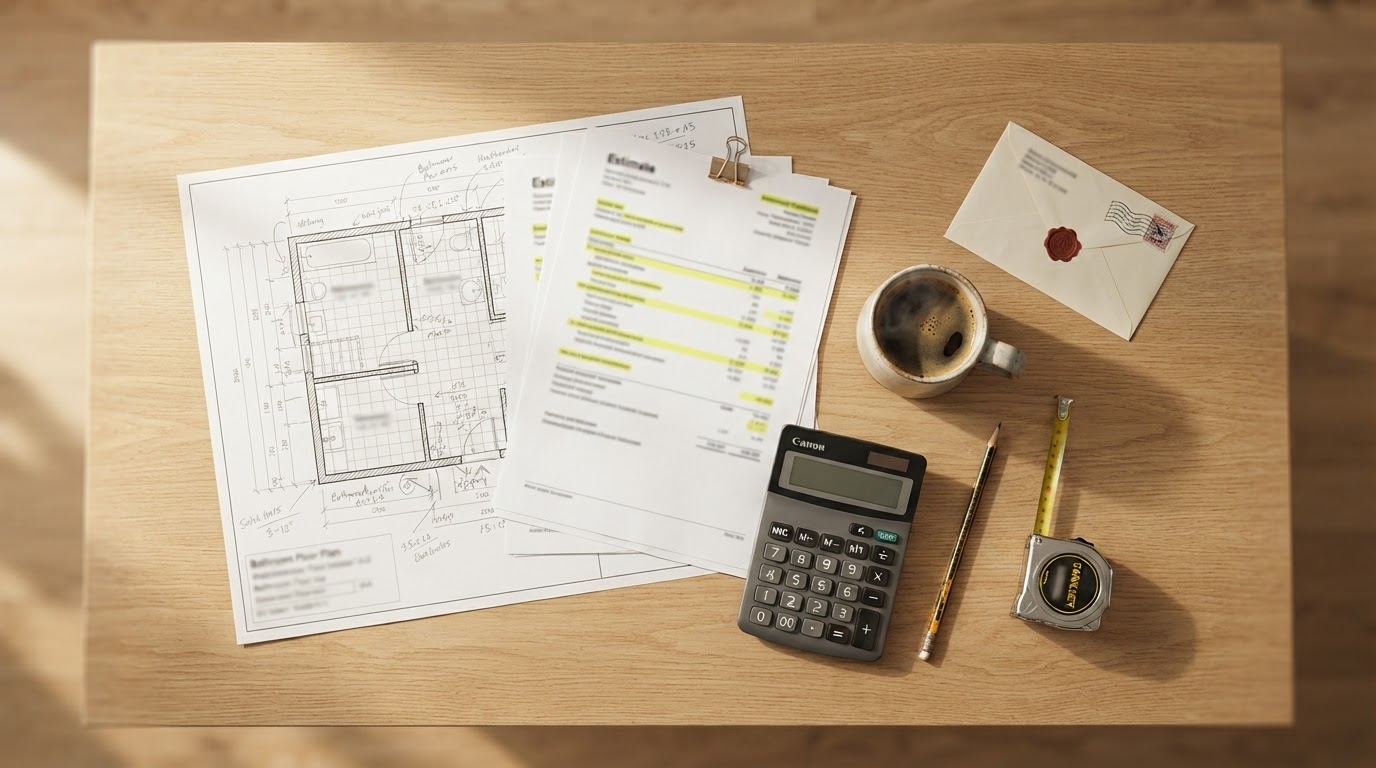
Navigating local building codes and contractor licensing protects your investment and ensures your project complies with North Carolina law.
Which Bathroom Remodel Permits Might You Need in Wake County?
Permitting requirements in Raleigh depend on whether you are touching the home’s mechanical systems:
No Permit Needed: Surface cosmetic updates—such as replacing a vanity in the exact same location, installing a new toilet, re-tiling over sound backer board, or painting—do not require a building permit.
Permits Required: If you alter supply or drain lines, relocate a shower valve, add new electrical circuits or exhaust fans, or modify interior wall framing, you or your contractor must obtain trade permits from the City of Raleigh Planning and Development Department (or Wake County Building Inspections if outside municipal limits). Trade permits generally cost between $150 and $400.
What Should You Verify About North Carolina Contractor Licensing?
Under North Carolina state law (N.C.G.S. 87-1), any residential remodeling project with a total contract value of $40,000 or more legally requires a General Contractor licensed by the North Carolina Licensing Board for General Contractors (NCLBGC).
For projects under $40,000, a general contractor license is not legally mandated by the state, but all specialized electrical, plumbing, and HVAC work must be completed by state-licensed trade contractors. Always verify credentials through the NCLBGC license search portal before signing an agreement.
How Can You Compare Contractor Bids by Scope?
When evaluating estimates from Triangle remodeling contractors, use this 4-step process to spot pricing discrepancies:
Normalize bids into standardized trade categories: Break down each quote into demolition, plumbing rough-in, electrical, waterproofing, tile setting, fixtures, and final trim.
Verify brand-specific allowances: Check whether fixture allowances cite specific product lines (such as Kohler or Delta) or use vague dollar amounts ($250 for a vanity) that force you into builder-grade products or costly change orders later.
Flag omitted scope and hidden fees: Ensure the bid explicitly covers subfloor moisture inspection, mold-resistant drywall, exterior exhaust ducting, and daily cleanup/dumpster fees.
Use a normalized comparison tool: Run your project specifications through an independent cost calculator to check whether local labor hours align with regional Wasatch and Piedmont benchmarks.
How Can You Turn Local Cost Ranges Into a Project Estimate?
Citywide averages provide helpful context, but your actual investment depends on the exact specifications of your bathroom.
What Project Details Should You Enter in a Cost Calculator?
To generate an accurate, localized estimate, specify your project’s parameters:
Room dimensions (powder room, 5x8 hall bath, or primary master suite)
Foundation type (accessible crawlspace vs. concrete slab)
Scope of plumbing changes (keeping fixtures in place vs. moving drains and supply lines)
Wet-area preferences (prefabricated acrylic surround vs. custom waterproofed porcelain tile)
Finish tier (builder-grade, mid-tier, or luxury custom)
You can generate a comprehensive, itemized estimate using Advistra’s Free Bathroom Remodel Cost Calculator in under four minutes without submitting personal information to contractor lead networks.
Ready to estimate your project?
See what your bathroom remodel could cost based on your ZIP code and project scope.
How Are Local Labor Adjustments and Contingency Explained?
Skilled trade rates in the Raleigh-Durham area reflect strong regional housing demand. Master plumbers and licensed electricians currently bill between $90 and $135 per hour, while experienced tile setters and finish carpenters average $65 to $95 per hour.
Always maintain a 10% to 15% contingency fund in your budget. In older homes in historic Raleigh neighborhoods like Oakwood, Five Points, or Cameron Park, a 15% contingency is essential to address unexpected water damage, subfloor rot, or outdated wiring discovered during demolition.
How Can You Balance Remodel Cost, Comfort, and Resale Value?
Making smart material choices allows you to achieve a high-end look without unnecessary expense.
Which Budget Choices Can Preserve Quality?
Pre-assembled vanities with quartz tops: Purchasing a quality prefabricated vanity with an integrated countertop saves $1,200 to $2,500 compared to custom cabinetry and separate stone fabrication.
Accent tile placement: Use standard, cost-effective white ceramic subway tile ($3 to $6/sq ft) for the main shower walls, and reserve high-end marble or artisan zellige tile for a decorative niche or feature band.
Moisture management over cosmetic upgrades: Invest first in proper waterproofing (such as a bonded sheet membrane system) and a high-CFM, whisper-quiet exhaust fan vented to the exterior. Raleigh’s humid summers make proper moisture ventilation essential for preventing mildew behind tile.
What Should You Know About Triangle Bathroom Remodel ROI?
According to regional real estate data, mid-range bathroom remodels in the Triangle recoup approximately 60% to 68% of their cost at resale. Updated bathrooms—particularly primary suites with modern walk-in showers and clean quartz surfaces—consistently reduce days on market in competitive Wake County submarkets.
Set Your Scope Before You Commit to a Bid
The most effective way to avoid budget overruns is to enter contractor conversations with a detailed scope of work and independent cost benchmarks. Before signing a contract, you can calculate an accurate, line-item budget using our Free Bathroom Remodel Cost Calculator and download our planning worksheets to keep your project on schedule and on budget.
Frequently Asked Questions
How much does a bathroom remodel cost in Raleigh, NC?
A bathroom remodel in Raleigh typically costs between $11,500 and $36,000, with a mid-range full renovation averaging around $21,000. Basic cosmetic updates start around $7,000, while expansive primary master bathrooms with walk-in showers and freestanding tubs range from $38,000 to $65,000+.
Do I need a permit to remodel a bathroom in Raleigh?
In Raleigh and Wake County, purely cosmetic updates (replacing like-for-like vanities, faucets, or tile) do not require permits. However, you must pull municipal permits if you alter plumbing drainage or water lines, add new electrical outlets or lighting circuits, or modify interior wall framing.
What are typical contractor labor rates in Raleigh, NC?
In the Raleigh-Durham area, licensed master plumbers and electricians charge between $90 and $135 per hour. Tile setters and skilled remodeling carpenters typically bill between $65 and $95 per hour.
How much does a small bathroom remodel cost in Raleigh?
Remodeling a small bathroom (35 to 50 square feet) in Raleigh typically costs between $8,000 and $16,500. Concentrated trade labor—waterproofing, plumbing, and electrical—represents the majority of the cost regardless of smaller square footage.
What is the most expensive part of a bathroom remodel?
Labor accounts for 45% to 60% of the total budget. In terms of materials and assemblies, the shower and wet area—custom tilework, multi-layer waterproofing, plumbing rough-in valves, and frameless glass—is consistently the most expensive component.
What can a $10,000 bathroom remodel include in Raleigh?
A $10,000 budget in Raleigh covers a high-quality cosmetic refresh keeping the existing layout: a 36-to-48-inch stock vanity with stone top, new faucet, modern low-flow toilet, vanity lighting, mirror, fresh moisture-resistant paint, waterproof luxury vinyl tile (LVP) flooring, and re-grouting or refinishing the existing tub.
Ready to estimate your project?
See what your bathroom remodel could cost based on your ZIP code and project scope.
Keep Planning Your Remodel
Use these free Advistra planning tools to turn this local pricing data into a defensible budget and a fair contractor comparison.
Bathroom Remodel Cost Calculator — build a low, expected, and high range for your exact scope and ZIP code in about four minutes.
How Much Does a Bathroom Remodel Cost? 2026 Pricing Guide — the national baseline these local numbers are measured against.
Free 12-Step Bathroom Planning Workbook — scope worksheets and a side-by-side contractor bid comparison sheet.