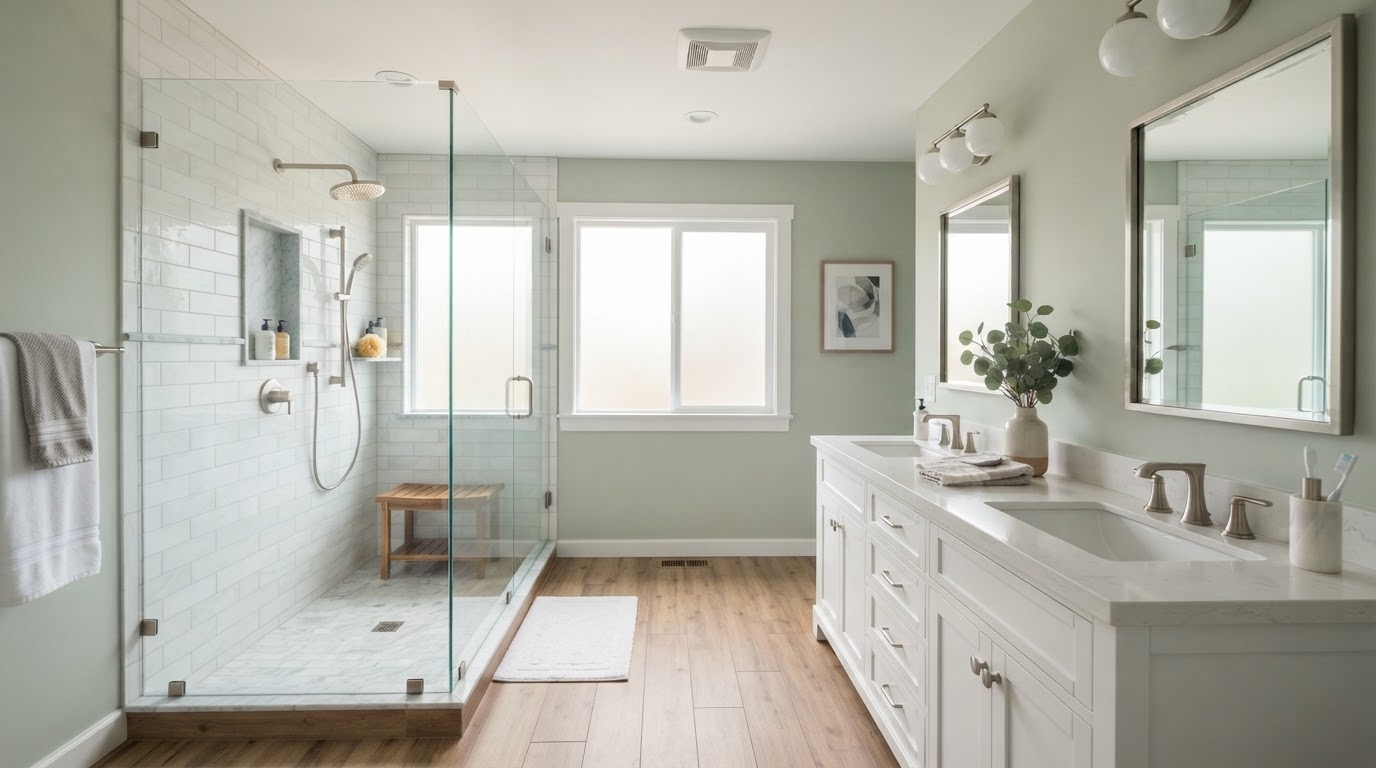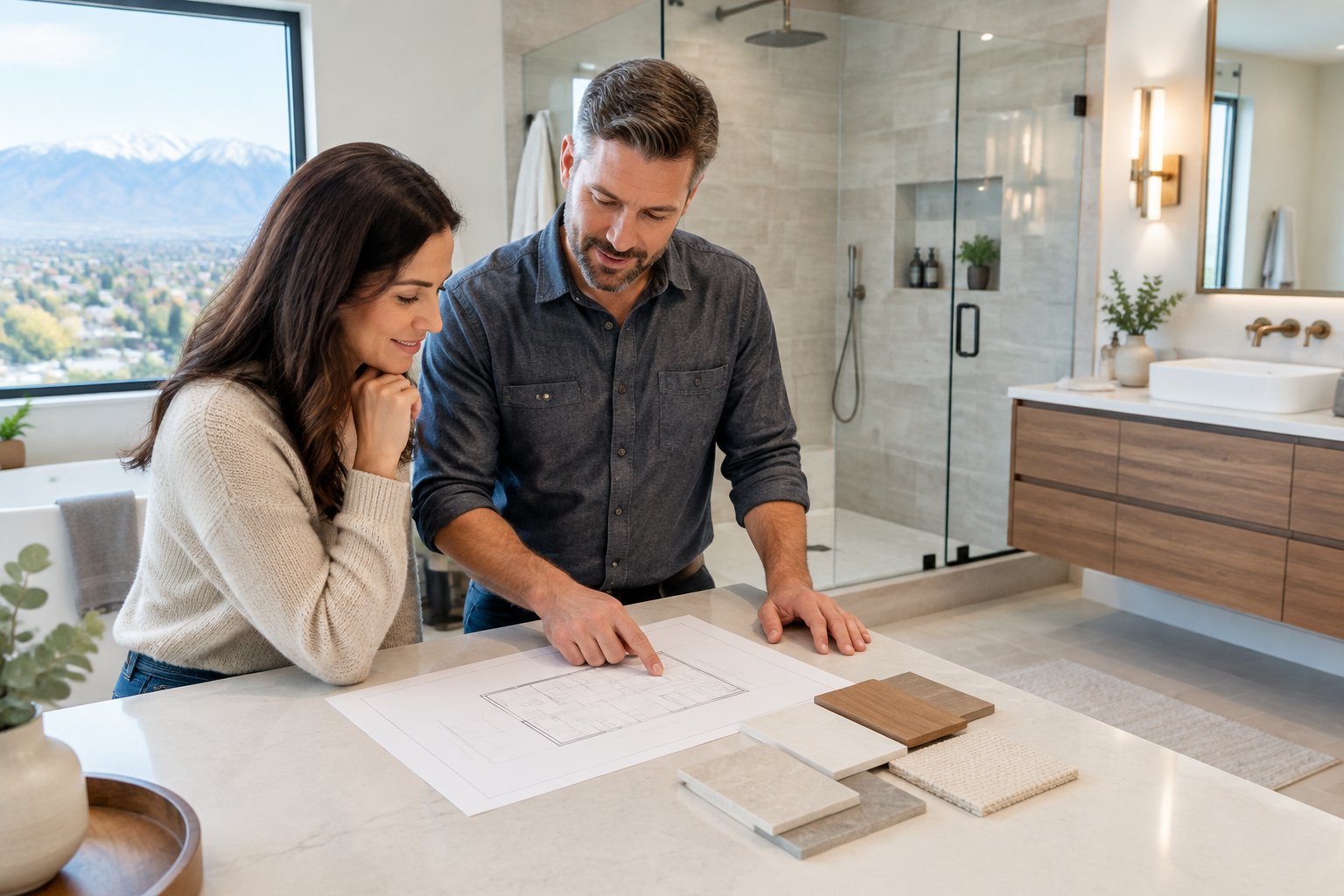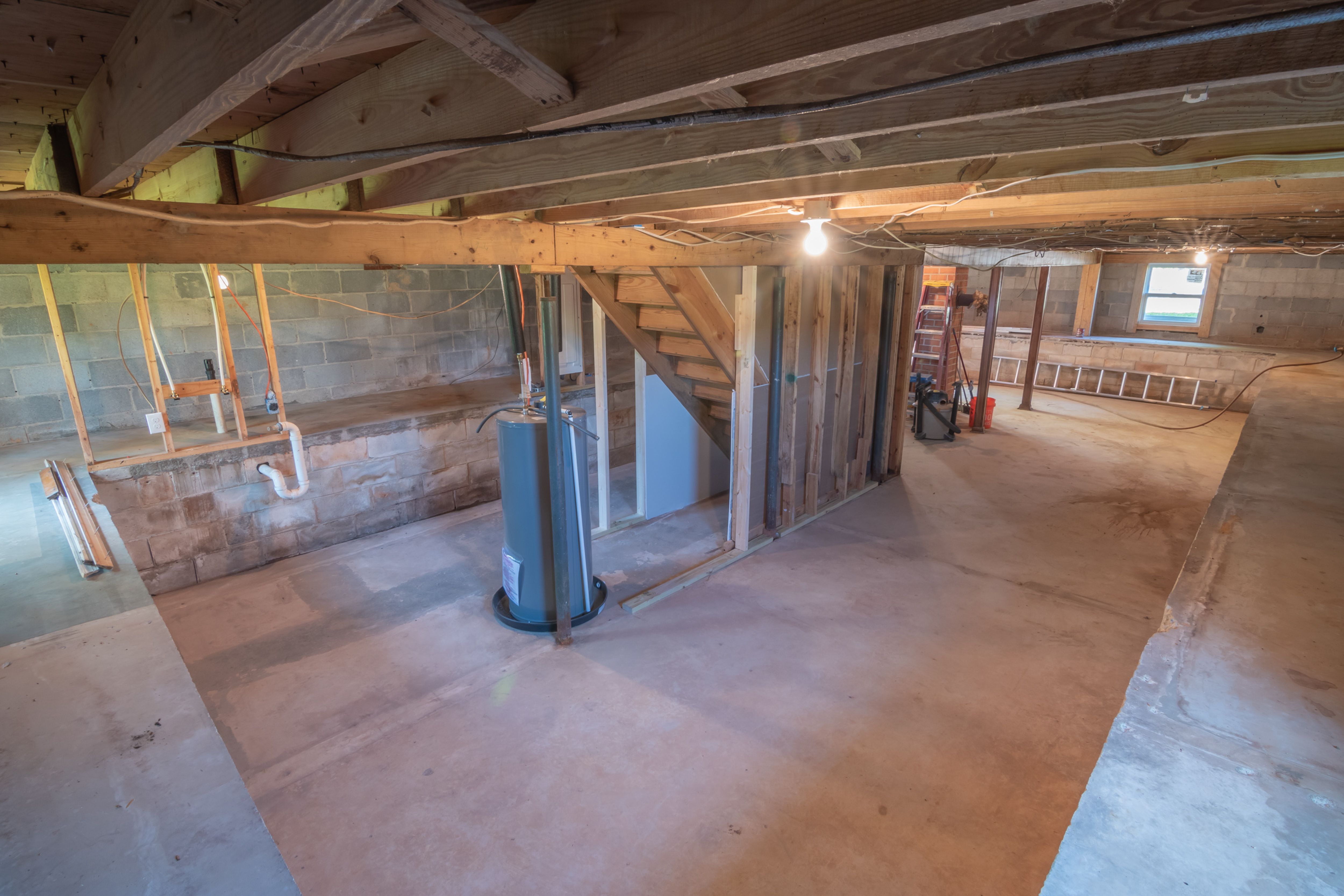
In 2026, a master bathroom remodel typically costs between $18,000 and $55,000, with the national average landing at $32,500, according to national 2026 cost data. A cosmetic refresh ranges from $9,000 to $16,000, a full mid-range replacement runs $22,000 to $45,000, and high-end primary suite renovations with layout changes or custom wet rooms reach $55,000 to $90,000+. Final costs depend on square footage, plumbing relocation, tile complexity, and regional trade labor.
Homeowners comparing bids often find that two contractors quoting the "same" master bathroom remodel arrive at numbers thousands of dollars apart, not because one is overcharging, but because their scopes don't match. One bid might include a curbless shower pan and cement board tile backer; another might allow for a prefabricated pan and skip waterproofing details entirely. Our bathroom calculator builds a scope-driven, ZIP-code-adjusted planning range in about four minutes, free and without an account, so homeowners have a low, expected, and high figure to compare against before a bid ever lands in their inbox.
Ready to estimate your project?
See what your bathroom remodel could cost based on your ZIP code and project scope.
2026 Planning Ranges by Remodel Scope
Master bathroom remodel costs fall into three general tiers: cosmetic refresh, mid-range remodel, and major renovation, each defined by how much of the existing layout and infrastructure changes. A cosmetic update that keeps plumbing and electrical in place lands closest to $10,000 to $15,000, while a mid-range remodel with new fixtures and full tile work commonly runs $15,000 to $35,000, matching figures reported across multiple 2026 cost guides. A major renovation that reconfigures the layout, relocates plumbing, or adds a wet room can push past $50,000 to $80,000 depending on size and finish level.
Scope Tier | Typical Planning Range | What Usually Changes |
|---|---|---|
Cosmetic Refresh | $10,000 - $15,000 | Paint, hardware, vanity swap, new fixtures in place |
Mid-Range Remodel | $15,000 - $35,000 | New tile, shower/tub replacement, updated lighting and vanity |
Major Renovation | $50,000 - $80,000+ | Layout changes, plumbing relocation, structural or wet-room work |
What Does a Cosmetic Master Bath Refresh Typically Include?
A cosmetic refresh replaces surface-level finishes without touching plumbing or electrical rough-in. This typically covers a new vanity, updated lighting, refreshed paint, new hardware, and sometimes a like-for-like toilet or faucet swap. Because walls stay closed and fixtures stay in their existing locations, labor costs stay lower and the project usually finishes in one to two weeks.
What Does a Mid-Range Remodel Typically Include?
A mid-range remodel replaces the shower or tub, retiles the floor and wet walls, and updates the vanity, countertop, and lighting while generally keeping the existing footprint. This tier commonly falls in the $15,000 to $35,000 range cited across several 2026 pricing breakdowns, with variation driven by tile selection, fixture quality, and whether the shower pan or drain location moves. Most plumbing stays in its existing position, which keeps labor and permit costs more predictable.
What Raises a Major Renovation Into the High Range?
A major renovation crosses into the high range when the layout changes, plumbing lines relocate, or the project adds square footage. Moving a toilet drain, converting a tub space into a walk-in shower with a new footprint, or annexing closet space to expand the room all add plumbing, framing, and permit costs on top of finish selections. Homes with older cast-iron plumbing or knob-and-tube electrical often carry added costs once walls open and concealed conditions surface.
How Size, Layout, and Local Conditions Shape the Budget
Bathroom square footage, whether the layout stays put or moves, and site-specific conditions like asbestos or outdated electrical systems all shift a master bathroom remodel budget independently of finish selections. A 100-square-foot primary bathroom with mid-grade fixtures commonly runs $15,000 to $30,000, according to cost data from HomeGuide, while smaller secondary bathrooms cost proportionally less per project but often more per square foot due to fixed labor and permit costs.
How Does Bathroom Square Footage Affect Costs?
A master bathroom remodel typically costs $150 to $350 per square foot for mid-range finishes, and $400 to $650+ per square foot for luxury custom tile, double vanities, and relocated plumbing lines. For a typical 100- to 160-square-foot primary bathroom, expect total budgets between $20,000 and $55,000. Because master baths involve high fixture counts (dual sinks, soaking tub, walk-in shower) and expansive tile surfaces, finish choices heavily influence final square-foot pricing.
What Does It Cost to Keep vs. Move the Existing Layout?
Keeping the existing layout keeps plumbing and electrical rough-in largely untouched, which holds down labor hours and permit complexity. Moving a toilet, shower, or vanity to a new wall requires new supply and drain lines, possible venting changes, and additional inspection fees. Homeowners who want a double vanity or a separate water closet added to an existing footprint should expect the added plumbing runs to add several thousand dollars over a same-footprint remodel, depending on distance from existing lines and local labor rates.
Which Hidden Conditions Should Homeowners Plan For?
Concealed conditions behind walls and under flooring are the most common source of mid-project cost increases. Homes built before the 1980s can carry asbestos in old flooring adhesive, popcorn ceilings, or pipe insulation, which requires abatement before demolition proceeds. Structural repairs from long-term water damage, subfloor rot, or undersized electrical panels can also surface once contractors open walls, and local building codes may require upgrades to venting, GFCI protection, or egress that weren't part of the original scope.
Check out our digital spreadsheet products here to help track budget costs, compare bids, etc.
Where the Money Goes in a Primary Bathroom Renovation
A primary bathroom renovation budget breaks into demolition, plumbing, electrical and permits; shower, tub, and waterproofing choices; and tile, vanity, countertop, fixture, and lighting selections, each carrying its own cost logic. Labor for a licensed plumber and a qualified tile setter typically represents the largest line items outside of cabinetry and countertops, since both trades require precise, code-compliant work that's expensive to redo.
Demolition, Plumbing, Electrical, and Permit Costs
Demolition clears out old fixtures, tile, and sometimes flooring down to the subfloor, and costs scale with how much material needs removal and disposal. Plumbing costs cover supply lines, drain relocation if the layout changes, and fixture rough-in, while electrical work covers new circuits for lighting, an exhaust fan, and GFCI-protected outlets near water sources. Permit and inspection fees vary by municipality and generally apply whenever plumbing, electrical, or structural work occurs, not just for cosmetic updates.
Shower, Tub, and Waterproofing Selections
Shower and tub choices carry some of the widest cost swings in a master bathroom remodel. A prefabricated shower pan with a standard showerhead costs far less than a custom-tiled shower pan with a frameless glass shower enclosure, and a wet room configuration with integrated waterproofing membrane adds labor beyond a standard shower stall. Freestanding tub and soaking tub options generally cost more to install than a built-in tub-shower combo, and a whirlpool tub adds electrical requirements for the pump motor. Bathroom-remodel questions compiled by Angi show shower updates averaging $8,200 and bathtub replacements around $5,700, figures that shift meaningfully with tile complexity and waterproofing system selection.
Related: https://www.myadvistra.com/blog/tub-to-shower-conversion-cost-in-2026-price-breakdown-calculator
Tile, Vanity, Countertop, Fixture, and Lighting Costs
Tile installation costs vary by material, with porcelain tile generally costing less per square foot than marble tile, and labor rates rising with intricate patterns or large-format tile that requires precise leveling. A bathroom vanity with an engineered quartz countertop sits at a mid-to-upper price point compared to laminate, and a double vanity roughly doubles cabinetry and countertop costs versus a single vanity. Lighting upgrades, a backlit mirror, a dual-flush toilet or smart toilet, a bidet, and accessibility additions like grab bars and towel bars round out the finish budget and can shift the total by several thousand dollars depending on brand and finish tier.
How to Build a Budget and Compare Contractor Bids
Building a reliable master bathroom remodel budget means separating allowances from fixed costs, setting contingency and payment terms before signing, and understanding when financing fits the project. A recent Modernize survey found that 63% of homeowners compare three to four contractor estimates before committing, a practice that only works when those estimates are evaluated on equal scope terms.
Why Allowances and Exclusions Can Make a Low Bid Misleading
Verify waterproofing specifications: Ensure the proposal names an engineered waterproofing system (such as Schluter-Kerdi or Wedi) rather than generic water-resistant drywall behind shower and tub tile.
Check vanity and countertop allowances: Confirm line-item allowances for double vanities ($1,500–$3,500) and stone fabrication ($1,200–$2,800) match real retail costs rather than low-end builder-grade placeholders.
Confirm subfloor and shower pan prep: Check whether concrete mud-bed preparation, subfloor leveling, and curb waterproofing are included or billed as change orders during demolition.
Account for electrical and dedicated circuits: Modern primary suites require separate 20-amp GFCI circuits for dual vanities, radiant heated floor thermostats, and high-CFM exhaust fans.
Inspect cleanup, dumpster, and permit fees: Bids that appear 15% to 20% lower often exclude municipal building permits ($400–$1,200) and waste disposal ($600–$1,000).
How to Set Contingency, Change-Order, and Payment Terms
Contingency should sit outside the contract price as money the homeowner retains for concealed conditions, generally scaling from 10% to 20% of the expected total based on home age, planned structural work, and plumbing relocation. Change-order terms should specify in writing how added costs get priced and approved once work begins, since verbal agreements on scope changes are difficult to dispute later. Payment schedules tied to completed milestones, rather than large deposits paid upfront, keep the homeowner's leverage intact if a general contractor's work falls behind or a lien waiver hasn't been collected for a completed phase.
When Financing May Fit the Project Plan
Financing decisions depend on project size and how the homeowner wants to manage repayment. A personal loan suits smaller cosmetic refreshes where the homeowner wants fixed monthly payments without using home equity as collateral. A home equity loan or HELOC often fits larger mid-range or major renovations, since both draw on built-up equity and generally carry lower rates than unsecured personal loans, though terms vary by lender and credit profile.
Plan the Scope Before You Commit to a Price
A master bath remodel budget holds up best when scope gets defined before a single bid arrives, not after. Square footage, layout changes, fixture selections, and local labor conditions all move the number independently, which is why a national average tells a homeowner very little about their own project. Comparing bathroom remodel costs by category, rather than by bottom-line price, is what separates a fair comparison from a guessing game.
A written scope checklist covering demolition, plumbing, electrical, waterproofing, and finish allowances gives homeowners a fixed reference point when bids start arriving. Setting a bathroom remodeling budget around low, expected, and high planning ranges, with contingency held separately, protects against the concealed conditions that show up once walls open. Advistra's bathroom calculator builds that ZIP-code-adjusted range in a few minutes, free and without creating an account, and its bid comparison tool normalizes contractor bids so homeowners can see whether a lower number reflects lower scope.
Frequently Asked Questions
What is a realistic budget for a master bathroom remodel?
A realistic budget for a standard master bathroom remodel is $25,000 to $45,000. This covers full demolition, a custom tiled walk-in shower with frameless glass, a new double vanity with quartz countertops, modern lighting, and porcelain floor tile. Projects involving structural changes or luxury wet rooms should plan for $55,000 or more.
How much does a master bathroom remodel cost per square foot?
Per-square-foot planning figures for a full master bathroom remodel commonly fall between $120 and $280, depending on finish level and whether the layout changes. Larger bathrooms often cost less per square foot than small ones because fixed costs like permits and plumber mobilization spread across more area.
What is the most expensive part of a master bathroom renovation?
The walk-in shower and wet area is consistently the most expensive part of a master bathroom remodel, accounting for 30% to 40% of the total budget. Waterproofing membranes, slope pan installation, custom tile labor, shower valves, and custom frameless glass enclosures drive the highest combined material and trade costs.
Is it cheaper to keep the existing bathroom layout?
Yes. Keeping the existing plumbing and electrical footprint saves $3,500 to $8,500. Moving toilets, drain lines, or supply valves requires cutting subfloors, modifying joists, and rerouting vent stacks, which triggers licensed trade labor, municipal permit reviews, and extended inspection schedules.
Is it worth remodeling a master bathroom before selling a home?
A master bathroom remodel can support resale value, particularly when it replaces dated finishes that buyers scrutinize closely during a showing. Whether it's worth the investment depends on local market expectations, the home's price point, and how outdated the current bathroom looks compared to similar listings in the area.
How much contingency should I set aside for a bathroom remodel?
Set aside 15% to 20% of your total contract value as an uncommitted contingency fund. In primary bathrooms, opening walls and subfloors often reveals hidden issues such as leaking shower pans, subfloor dry rot, undersized electrical circuits, or outdated galvanized plumbing that must be addressed before installing new finishes.